
Fine motor skills: playful ways to build strong little hands
Why fine motor skills matter for writing, dressing and eating, and fun everyday activities that build hand strength and coordination.
Key takeaways
- Fine motor skills use the small muscles in the hands and fingers.
- They support drawing, writing, cutting, dressing and eating.
- Playdough, threading, pegs and drawing build these skills naturally.
Fine motor skills are the movements of the small muscles in the hands, fingers and wrists. They help children hold a crayon, do up a button, use a spoon and, later, write their name. Like all skills, they grow with practice, and play is the best practice there is.
Why they matter
- School readiness: holding a pencil, cutting with scissors and opening lunchboxes.
- Independence: dressing, zipping, eating and washing hands.
- Confidence: being able to do things "all by myself" feels great.
Activities that build strong hands
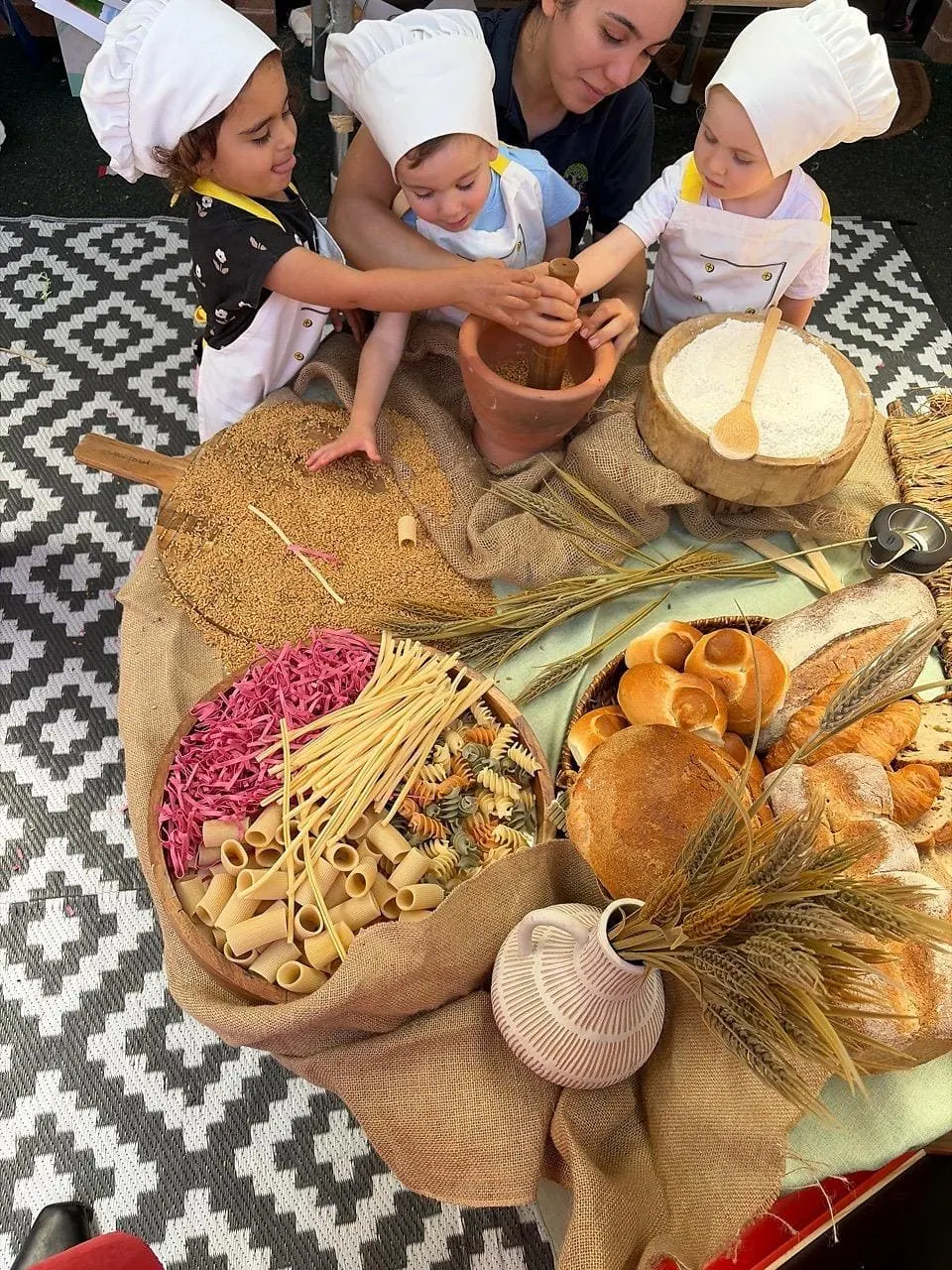
- Playdough and dough: squeezing, rolling and cutting strengthen the hand. Cooking experiences with real dough are even better.
- Pegs: pegging pictures to a string or pegs around a paper plate.
- Threading: large beads on a shoelace or pasta on string.
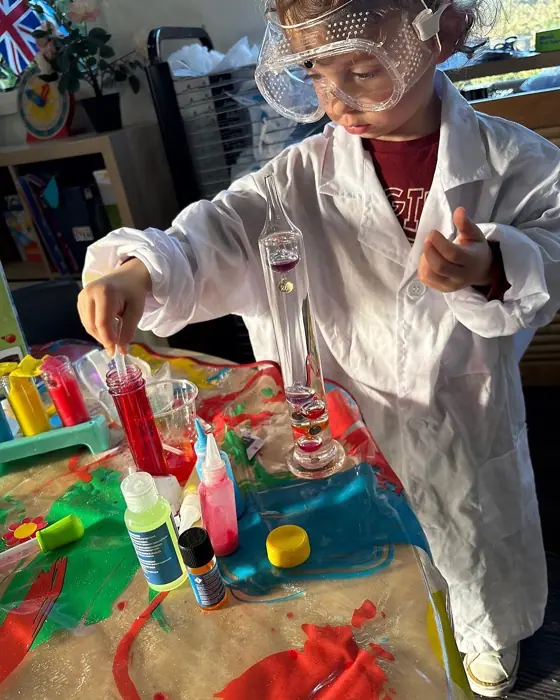
- Tongs and tweezers: moving pom poms between cups.
- Drawing on vertical surfaces: an easel or paper taped to the wall builds wrist strength.
- Tearing and scrunching paper: perfect for collage.
- Water play: squeezing sponges and pouring from jugs.
- Building: blocks, construction sets and stacking cups.
Pencil grip
Children's grip develops over time, from a whole fist to a more mature grip by around school age. Short crayons and chalk naturally encourage a better grip. Avoid pushing early writing; strong hands come first.
At our centre
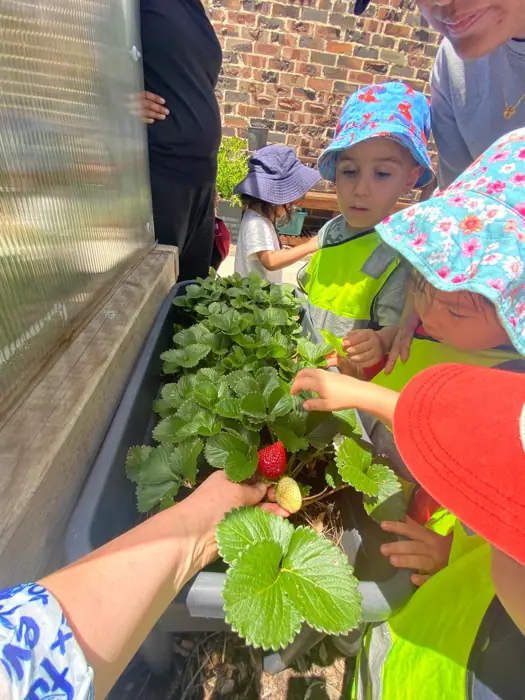
Art lessons, cooking, gardening, sensory play and our phonics program all build fine motor skills. Children create artwork for their 12 month portfolio, which families receive as a lovely record of their growth.
Questions parents ask
What are fine motor skills examples for preschoolers?
Holding and using crayons, cutting with scissors, threading beads, doing up large buttons, using a fork and spoon, and building with small blocks.
See it for yourself
Visit our West Pymble centre and meet the team.