
Picky eaters: gentle ways to widen your toddler's plate
Fussy eating is a normal stage for toddlers. Here are calm, practical strategies that help children try new foods without battles at the table.
Key takeaways
- Fussy eating is common between about 2 and 5 years and is usually a normal stage.
- Offer new foods many times, alongside familiar ones, without pressure.
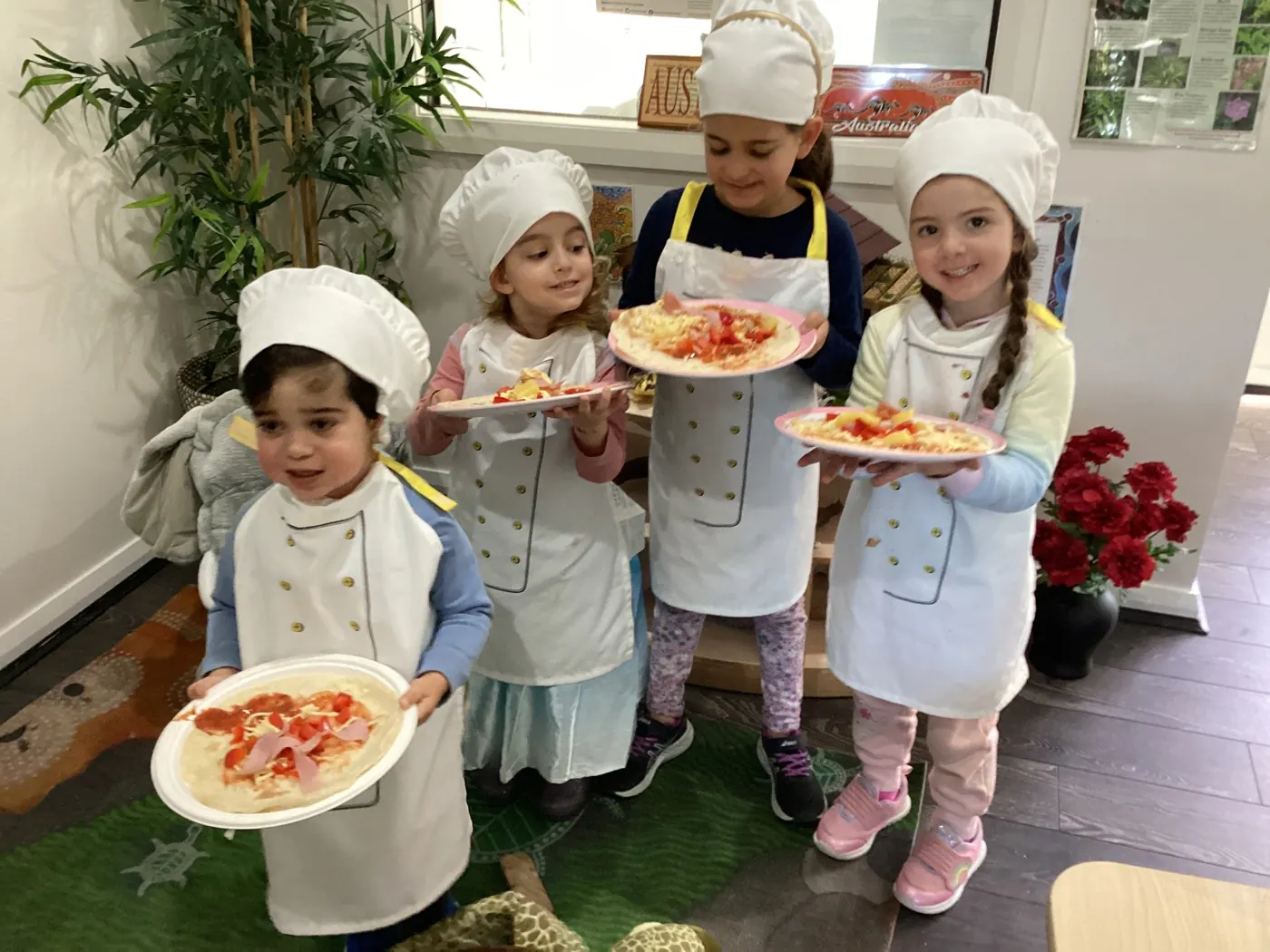
- Getting children involved in growing and cooking food makes them more willing to taste it.
One day your toddler loves broccoli, the next day it is the enemy. If mealtimes feel like a negotiation, you are not alone. Fussy eating is very common in toddlers and preschoolers, and it usually reflects a normal stage of development as children assert independence and become wary of new things.
Parents decide what, children decide how much
A helpful way to share the job is this: parents choose what food is offered and when, and children choose whether to eat it and how much. Removing pressure takes the heat out of mealtimes.
Strategies that work
- Offer, offer again. Children may need to see and taste a new food many times before they accept it. Keep putting a small amount on the plate.
- Pair new with familiar. Serve one new food alongside foods your child already likes.
- Keep portions small. A small amount looks less daunting, and they can always ask for more.
- Eat together. Children copy adults. Enjoying a variety of foods yourself is powerful.
- Avoid bribes and rewards. Saying "eat your vegetables and you can have dessert" teaches that vegetables are a chore.
- Routine helps. Regular meal and snack times mean children come to the table hungry.
- Make it fun. Cut sandwiches into shapes or let children build their own wraps.
Get them in the kitchen and garden
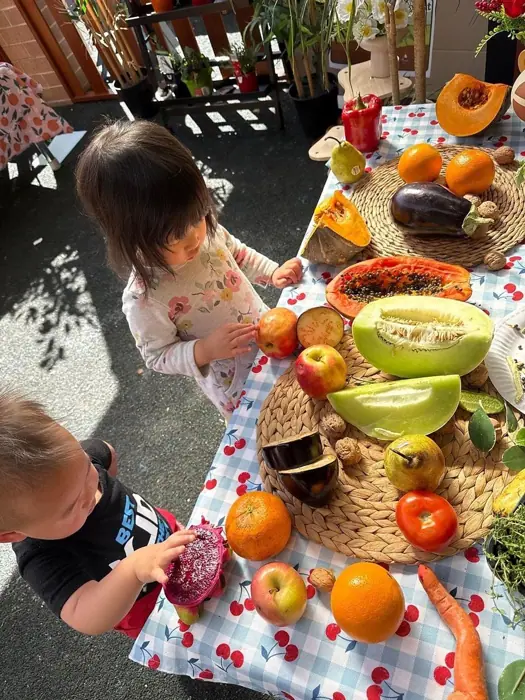
Children are far more likely to taste food they have grown or cooked. Washing vegetables, tearing lettuce or stirring a sauce are perfect jobs for little hands.
At our centre, children help in our vegetable gardens and take part in cooking experiences. Our cook prepares five seasonal meals a day, and we cater for allergies, religious and special dietary requirements. Children often try foods at the centre that they refuse at home, because eating with friends is exciting.
When to get advice
Talk to your GP or child health nurse if your child is losing weight, eats a very limited range of foods, gags or vomits often, or if mealtimes are causing ongoing distress.
Helpful links
Questions parents ask
How many times should I offer a new food?
Many times. Research and health guidance suggest children may need to try a food 10 or more times before they accept it, so keep offering small amounts without pressure.
Is it okay to hide vegetables in food?
It can add nutrients, but children also need to see and learn to like vegetables in their normal form, so offer them openly as well.
See it for yourself
Visit our West Pymble centre and meet the team.