Why we celebrate Lunar New Year, Diwali and NAIDOC Week with toddlers
How cultural celebrations help young children understand themselves and others, and how families can join in.
Key takeaways
- Celebrating many cultures helps children feel seen and teaches respect for difference.
- Hands-on experiences such as food, music, dress and stories make cultures real for young children.
- Families are the best teachers about their own traditions, so we love it when they share.
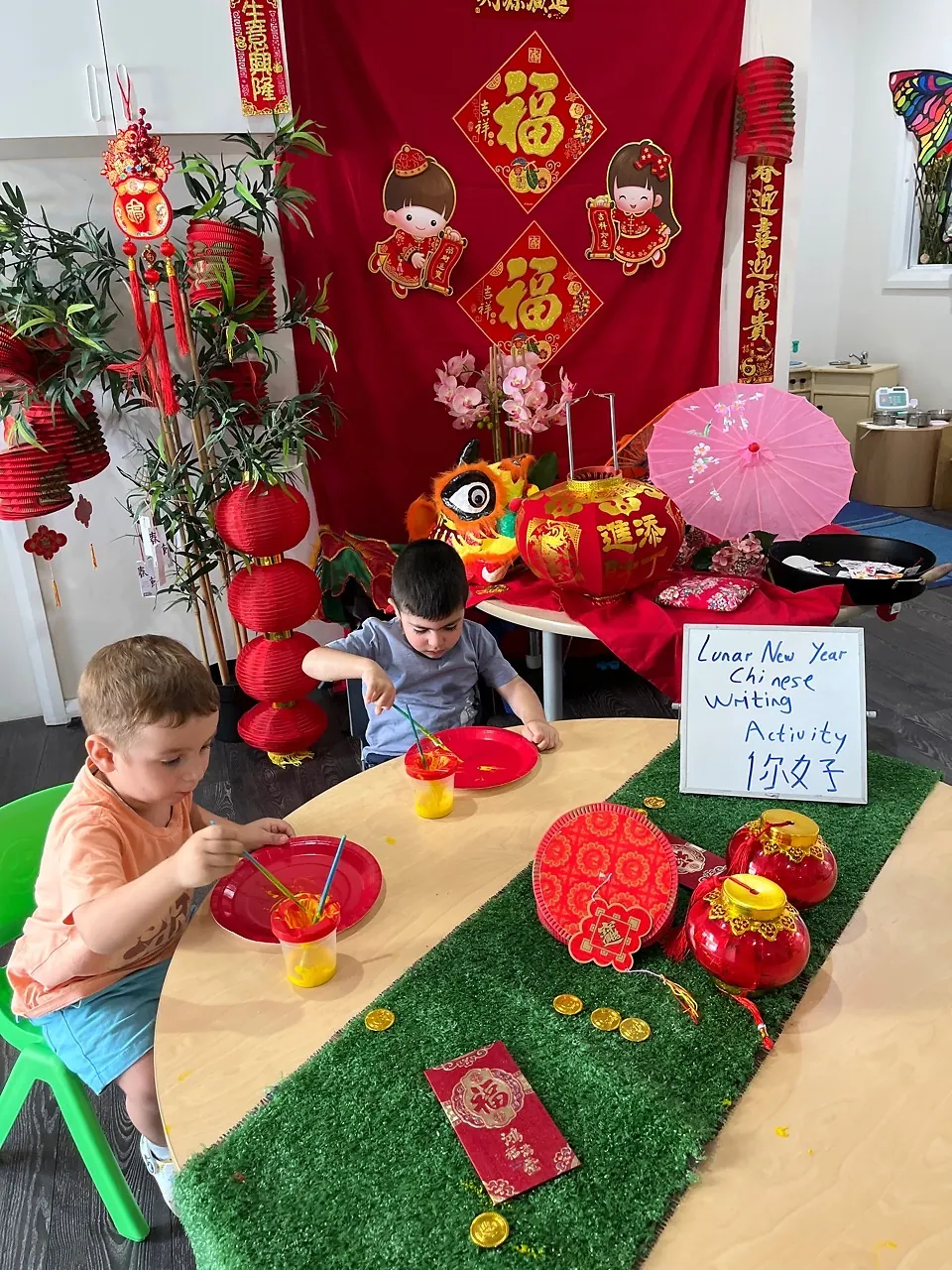
Walk into our centre in February and you might find red lanterns, dumpling making and a dragon dance underway. Later in the year it could be diya lamps for Diwali, Aboriginal art and stories for NAIDOC Week, or a Harmony Week feast. These celebrations are a joyful part of our program, and they matter more than you might think.
Belonging starts early
The Early Years Learning Framework, which guides early childhood education in Australia, is built around belonging, being and becoming. When children see their own family's language, food or festival celebrated at the centre, they learn that they belong. When they join in someone else's celebration, they learn curiosity and respect.
Making culture real for little ones
Toddlers and preschoolers learn through their senses, so we keep celebrations hands on:
- Food: tasting dishes, kneading dough or arranging fruit platters.
- Music and movement: dancing, drumming and songs in different languages.
- Dress up and role play: traditional clothing and props for imaginative play.
- Stories: picture books and visitors who share their traditions.
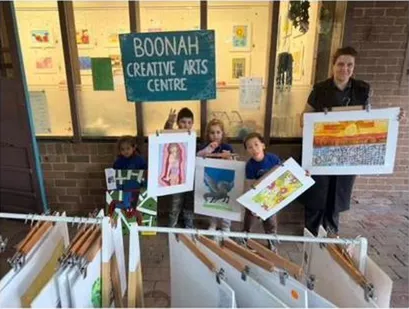
- Art: lanterns, rangoli patterns, dot painting inspired by First Nations artists and guided by community knowledge.
Our immersive cultural inclusion program
Our toddler and preschool programs include immersive cultural inclusion experiences, celebrating NAIDOC, Diwali, Chinese New Year and more. Our families come from many backgrounds, and our language program introduces Mandarin, Italian and Armenian.
How families can get involved
We warmly welcome parents and grandparents to share a song, a recipe or a story from their culture. Even a short visit or a few photos from home can make a child glow with pride.
Questions parents ask
Why is cultural education important in childcare?
It helps children develop a strong sense of identity, builds empathy and respect for others, and supports the belonging, being and becoming principles of the Early Years Learning Framework.
See it for yourself
Visit our West Pymble centre and meet the team.